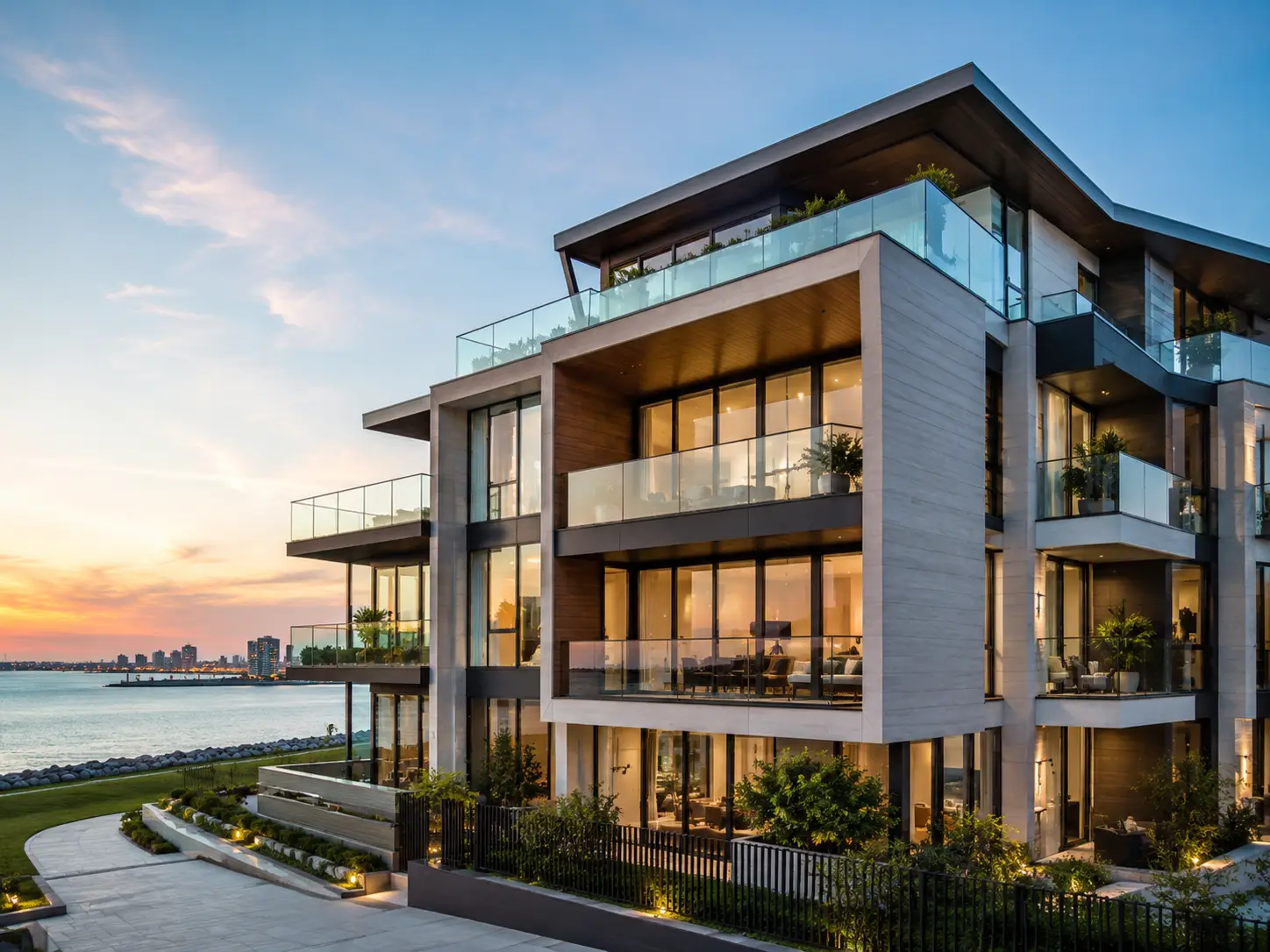

A ski condo in Vail or a beach condo in Florida can be easy to fall in love with and surprisingly hard to finance. Many resort projects do not meet Fannie Mae and Freddie Mac standards, which rules out a conventional loan before anyone looks at your credit. This guide explains what makes a condo “non warrantable,” how condotel financing works, the Vail and Florida rules that matter, and what to check before you make an offer.
Quick answer
A condo is non warrantable when the building or its homeowners association fails Fannie Mae or Freddie Mac project standards, so a conventional loan is not available. Resort condos most often fail because they operate like hotels (front desk, nightly rentals, rental pools), because one owner holds too many units, because of heavy commercial space or, in Florida, because of unfunded critical repairs. Buyers then use non warrantable condo loans or condotel loans from portfolio and non QM lenders, which usually mean a larger down payment and a higher rate. Check the project’s status before you write an offer, not after.
What makes a condo warrantable?
A warrantable condo is in a project that meets Fannie Mae or Freddie Mac standards, so lenders can sell your loan to them. The review looks at the project as a whole, not only at your unit: the association’s budget and reserves, insurance, litigation, how many units are owned by investors or a single entity, how much of the building is commercial space and whether the project operates like a hotel.
When a project fails any of those tests, it is non warrantable. That says nothing about the quality of the unit, and many beautiful, well run resort buildings are non warrantable simply because of how they are used.
Why are so many resort condos non warrantable?
Fannie Mae’s list of ineligible projects reads like a description of a typical resort building. Under its Selling Guide, updated August 2026, a project is ineligible if, for example, it:
- is licensed or operated as a hotel, motel or resort, or is primarily transient
- offers hotel style services such as a registration desk, daily or short term rentals, daily cleaning or central key and phone systems
- requires owners to put units in a rental pool, share rental profits or limit their own use of the unit
- is a timeshare or fractional ownership project
- has a single entity owning more than 20% of the units in a project of 21 units or more
- has more than 35% of its space in commercial use
- needs critical repairs or is involved in litigation over safety or structural issues
Fannie Mae also flags projects for closer review when 75% or more of the units are investor or second home units, when units are under 400 square feet, and when the project is in a resort location or offers amenities such as ski shuttles or lift passes. None of those automatically disqualifies a building, but together they often do.
What is the difference between a condotel and a non warrantable condo?
| Non warrantable condo | Condotel | |
|---|---|---|
| What it is | A condo project that fails one or more agency standards | A condo project run like a hotel, often with a front desk and rental program |
| Typical reasons | Investor or single entity concentration, commercial space, litigation, reserves or repairs | Nightly rentals, rental pools, hotel services, owner use limits |
| Loan options | Portfolio and non QM condo loans | Specialized condotel loans from a smaller set of lenders |
| What to expect | Larger down payment and higher rate than a conventional condo loan | Usually the largest down payment and the most document review |
Freddie Mac uses a similar test for what it calls a condominium hotel: a project licensed or registered as a hotel, one with mandatory rental pooling or limits on owner use such as blackout dates, or one that shares rental revenue between owners and the association or rental operator. Down payment requirements for these loans vary by lender and by project, so get the specific building priced before you commit.
Looking at a resort condo?
Josh can check how a specific project is likely to be reviewed and which loan options fit before you make an offer.
Should you buy it as a second home or an investment property?
How you plan to use the condo decides how the loan is priced and underwritten. Fannie Mae treats a property as a second home when you occupy it for some part of the year, it is a one unit home suitable for year round use and you keep exclusive control over it. It cannot be subject to a rental pool or a management agreement that controls who stays there.
- Second home: you can rent it occasionally, but that rental income cannot be used to help you qualify.
- Investment property: rental income can count toward qualifying, but the down payment and pricing are higher. Fannie Mae’s short term rental income rules apply only to legally licensed one unit investment properties.
If the project requires owners to join a rental program, it cannot be financed as a conventional second home at all. For rentals that you plan to qualify on the property’s income, a DSCR loan is often worth comparing.
What should you know about buying a condo in Vail?
Eagle County sits at the 2026 high cost ceiling: the conforming loan limit for a one unit home is $1,249,125, and the FHA limit is the same. Above that, you are in jumbo loan territory.
- Real estate transfer tax: the Town of Vail charges 1% of the purchase price when a property changes hands. Town code makes the buyer and seller jointly responsible, so your purchase contract should say who pays it.
- Short term rental license: every unit rented short term needs its own town license. Licenses expire each February 28 and when a unit is sold, so a new owner must apply before advertising, at least 30 days ahead. The fee is $260, or $50 with 24 hour on site management, and owners need a local representative who can respond within 60 minutes around the clock.
- Taxes on rentals: operators must collect and remit the town’s sales and lodging taxes.

How do Florida’s condo safety laws affect financing?
After the 2021 Surfside collapse, Florida added two requirements that now shape which condos can be financed:
- Milestone inspections: buildings of three or more habitable stories need a structural inspection by December 31 of the year they turn 30, then every 10 years. Local governments can require it at 25 years for buildings near salt water.
- Structural Integrity Reserve Studies (SIRS): the same buildings must study and fund reserves for the roof, structure, fire protection, plumbing, electrical, waterproofing, windows and other items costing more than $25,000. For budgets adopted on or after December 31, 2024, owners can no longer vote to waive or reduce those reserves.
Fannie Mae does not have a Florida specific rule, but its critical repair policy has the same effect. A project is ineligible until the work is done if it has failed a required structural inspection, has unfunded repairs of more than $10,000 per unit due within 12 months, or has a special assessment for a critical repair that has not been completed. Lenders review any structural inspection from the past three years. As a result, many older Florida condos are temporarily non warrantable while they fund and complete repairs.

What should you check before making an offer on a resort condo?
- Ask for the condo questionnaire early. Your lender will need the association’s answers on rentals, ownership, commercial space, litigation and insurance.
- Review the budget and reserves. Look for reserve funding, recent or planned special assessments and delinquent dues.
- Read the rental rules. Find out whether there is a front desk, a rental program, a required management company or limits on owner use.
- Get the inspection history. In Florida, that means the milestone inspection and SIRS; everywhere, any structural or engineering report.
- Price the insurance. Resort and coastal buildings can carry high master policy and HO6 premiums that affect your payment.
- Match the loan to the building. Decide between a conventional, non warrantable, condotel or DSCR loan once you know how the project will be reviewed.
Frequently asked questions
What is a non warrantable condo?
It is a condo in a project that does not meet Fannie Mae or Freddie Mac standards, so the loan cannot be sold to them. Common reasons include hotel style operations, one owner holding too many units, heavy commercial space, litigation and unfunded critical repairs.
Can you get a conventional loan on a condotel?
Generally no. Fannie Mae and Freddie Mac treat projects that operate as hotels, require rental pooling or limit owner use as ineligible, so condotels are financed with specialized portfolio or non QM loans.
Can I use rental income to qualify for a second home condo?
Not under Fannie Mae’s rules. A second home can be rented occasionally, but that income cannot be used to qualify. If you need rental income to qualify, the property is usually financed as an investment property or with a DSCR loan.
Do I need a license to rent my Vail condo short term?
Yes. The Town of Vail requires a short term rental license for each unit, renewed every year and reissued after a sale, plus a local representative who can respond within 60 minutes and collection of town sales and lodging taxes.
Why are some Florida condos hard to finance right now?
Florida’s milestone inspection and reserve study laws have revealed repair needs in many older buildings. Until critical repairs are funded and completed, Fannie Mae treats those projects as ineligible, so buyers need non warrantable financing or must wait for the work to finish.
Josh Lemos
Mortgage Broker, Lemos Group, powered by ARBOR Financial Group. Helping first time buyers, move up buyers and self employed borrowers, with a focus on the Greater Denver area and Vail.
NMLS #278295
Licensed in CA, CO, FL and OR
Buying a condo in Vail or Florida?
Know how the building will be reviewed before you offer.
Josh Lemos can review a project’s likely status and compare conventional, non warrantable, condotel and DSCR options for the unit you are considering.



Sources and official resources
- Fannie Mae Selling Guide: Ineligible projects
- Fannie Mae Selling Guide: Occupancy types
- Fannie Mae Selling Guide: General rental income information
- Freddie Mac Guide: Section 5701.3, ineligible projects
- FHFA: Conforming loan limit values for 2026
- Town of Vail Code: Real estate transfer tax
- Town of Vail Code: Short term rentals
- Florida Statutes section 553.899 (milestone inspections)
- Florida Statutes section 718.112 (reserves and SIRS)
Information checked September 27, 2026. Rates, loan limits, program rules and assistance funding change, so confirm current terms before you rely on them.
This article is for general education only and is not a loan offer, commitment to lend, or tax or legal advice. Rates, terms, fees and programs vary by lender and are subject to change without notice. All loans are subject to credit approval, underwriting guidelines and property eligibility. Examples are illustrations, not quotes. Josh Lemos, NMLS #278295. Lemos Group is powered by ARBOR Financial Group. ARBOR Financial Group is a DBA of The Turnkey Foundation Inc., NMLS #236669 (NMLS Consumer Access). Equal Housing Opportunity.